How to Know When Asphalt Repair Is No Longer Enough and Replacement Is the Smarter Option
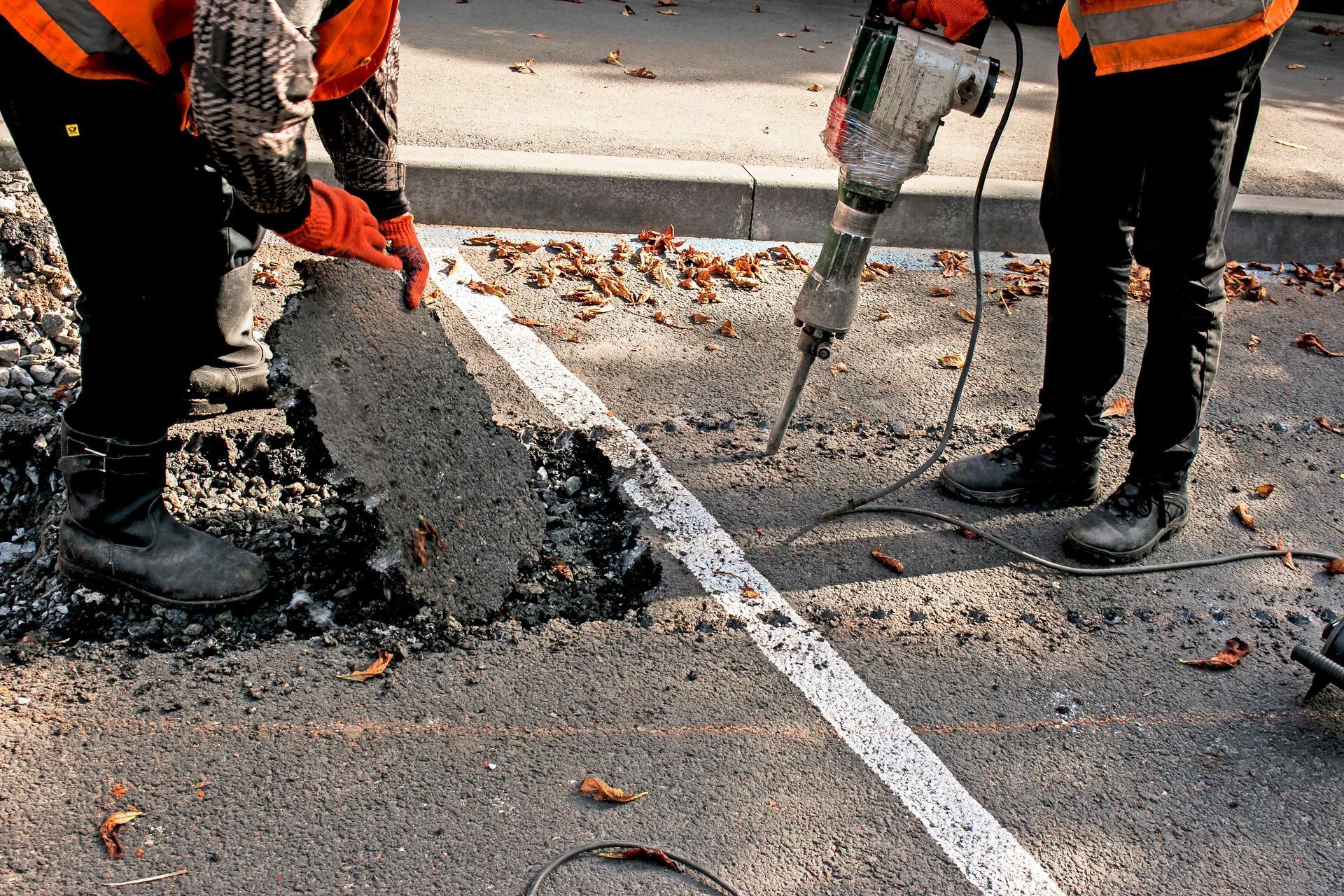
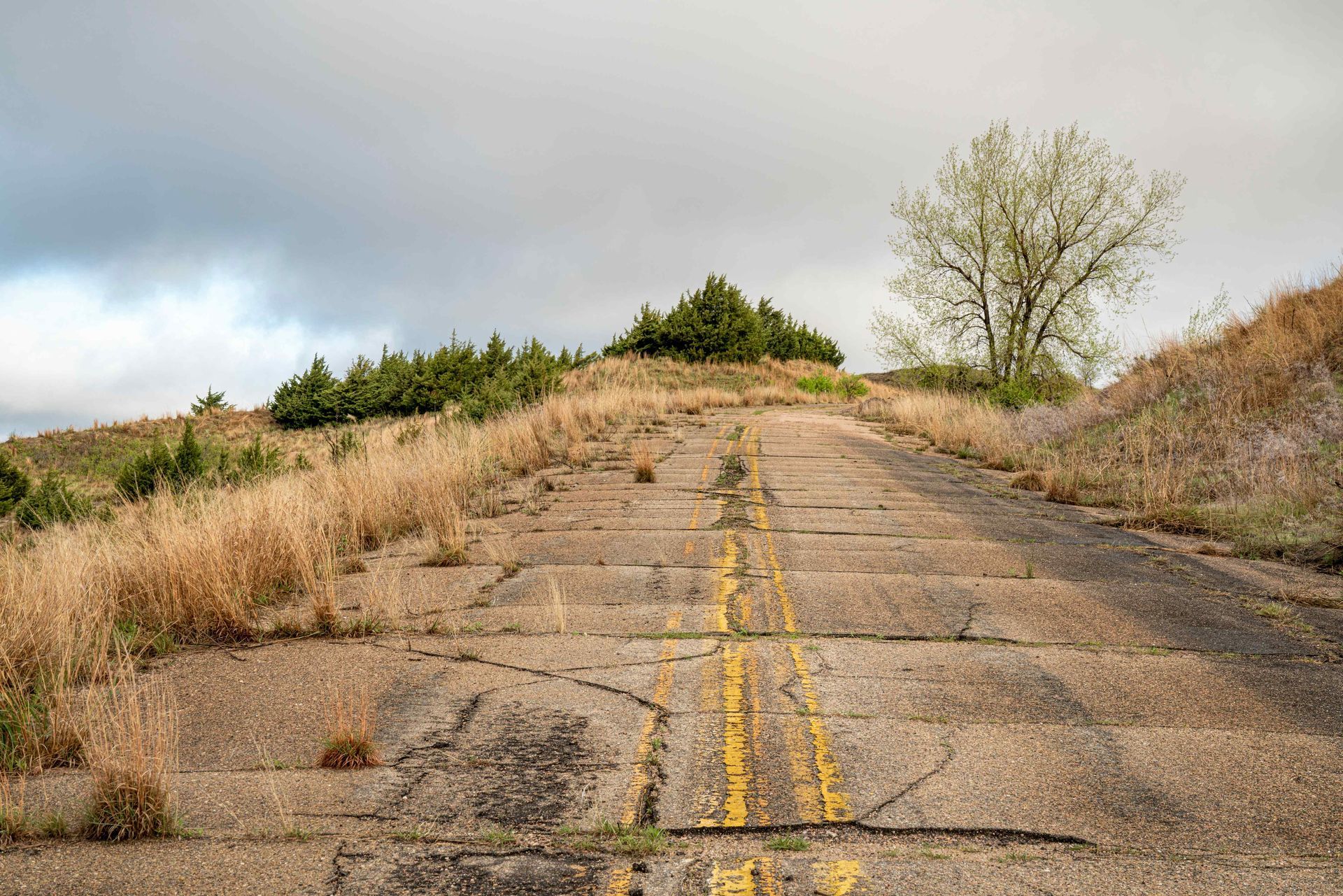
Asphalt pavement naturally deteriorates over time, but not all damage requires full replacement. Knowing when repairs are sufficient—and when replacement is the better long-term decision—can save Boise property owners significant money and frustration.
This guide explains how to evaluate pavement condition, identify structural failure, and determine the most cost-effective path forward.
Understanding the Difference Between Surface Damage and Structural Failure
Surface-Level Issues (Often Repairable)
- Small cracks
- Isolated potholes
- Minor surface raveling
- Faded or worn appearance
Structural Failures (Often Require Replacement)
- Widespread cracking
- Base failure or sinking areas
- Repeated potholes in the same locations
- Poor drainage causing ongoing deterioration
If damage originates below the asphalt surface, repairs alone are rarely effective long term.
Warning Signs Repairs Are No Longer Working
Recurrent Cracking and Potholes
When cracks and potholes return quickly after repairs, it usually indicates base instability or drainage failure.
Alligator Cracking
This interconnected cracking pattern is a clear sign of structural failure and almost always requires pavement replacement.
Uneven or Sunken Areas
Depressions and settling suggest subgrade movement, which patching cannot permanently fix.
Cost Comparison: Ongoing Repairs vs Full Replacement
Repeated repairs may seem cheaper initially, but costs add up quickly. Over time, frequent patching often exceeds the cost of replacement—without delivering long-term reliability.
Replacement provides:
- A new, stable base
- Proper drainage correction
- Uniform surface performance
- Predictable maintenance costs
Safety, Liability, and Appearance Concerns
Damaged pavement increases:
- Trip-and-fall risks
- Vehicle damage
- Liability exposure
- Negative first impressions
For commercial properties, pavement condition directly affects customer perception and compliance obligations.
When Replacement Is the Smarter Investment
Full asphalt replacement is usually recommended when:
- Structural damage is widespread
- Repairs fail within one to two seasons
- Drainage problems persist
- Pavement age exceeds 20–25 years
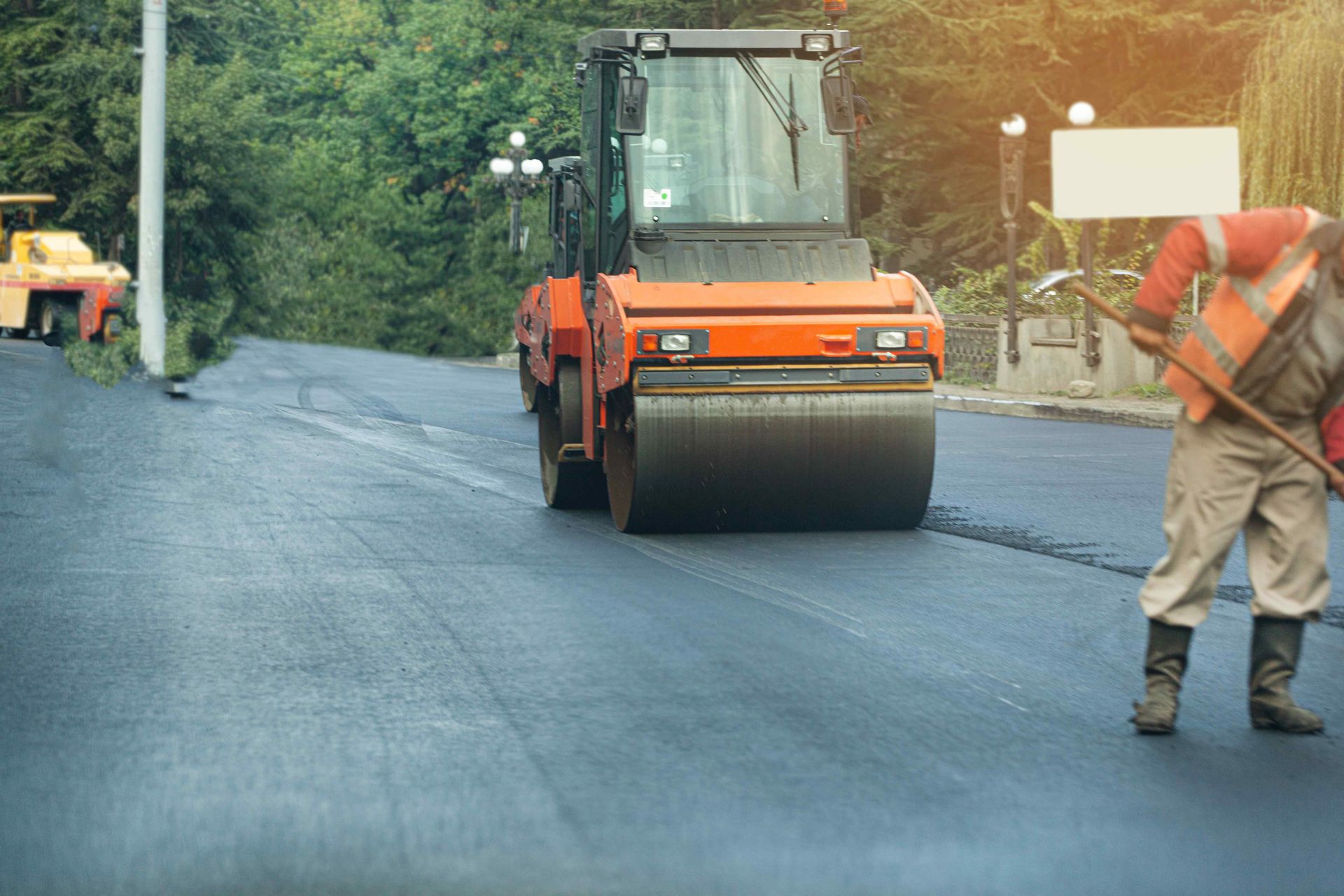
Replacement allows property owners to reset the pavement lifecycle rather than continually chasing problems.
How Boise Conditions Influence the Decision
Freeze–thaw cycles, soil movement, and moisture infiltration accelerate structural failure in Boise. Pavement that might survive longer elsewhere often reaches end-of-life sooner without proper base design.
Final Thoughts: Making the Right Call
Choosing between repair and replacement requires an honest assessment of pavement condition—not just surface appearance. While repairs are effective in the early stages of deterioration, replacement becomes the smarter option once structural integrity is compromised.
Working with an experienced Boise paving contractor ensures recommendations are based on long-term value, not short-term fixes.